
A simple guide to your car's warning lights and what they mean for your vehicle's health.
We've all been there. You're driving along and suddenly a light pops on. No noise. No smoke. Just… panic.
Is it serious? Can you keep driving? Is this going to be expensive?
Take a breath. Your dashboard lights are your car's way of talking to you, and once you know the basics, they're not scary at all.
Here's a quick, no-nonsense breakdown of the most common warning lights—what they mean and what to do next.

First, Know the Colors (This Matters)
- Green or Blue = Informational
Your car is just letting you know something is on (like headlights or cruise control). - Yellow or Orange = Caution
Something needs attention soon, but it's usually safe to drive short distances. - Red = Stop ASAP
This means pull over when safe. Ignoring red lights can cause major damage—or worse.
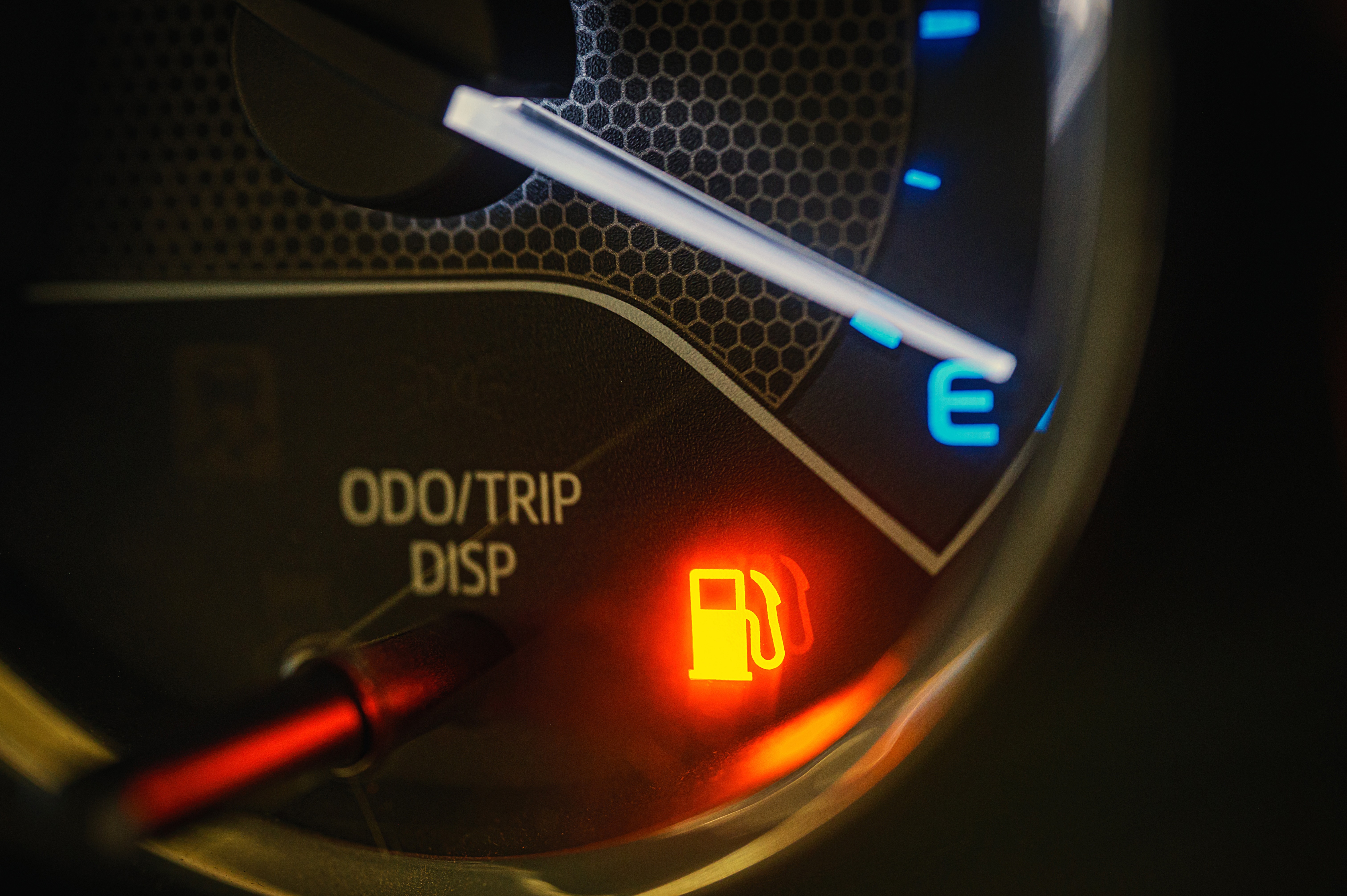
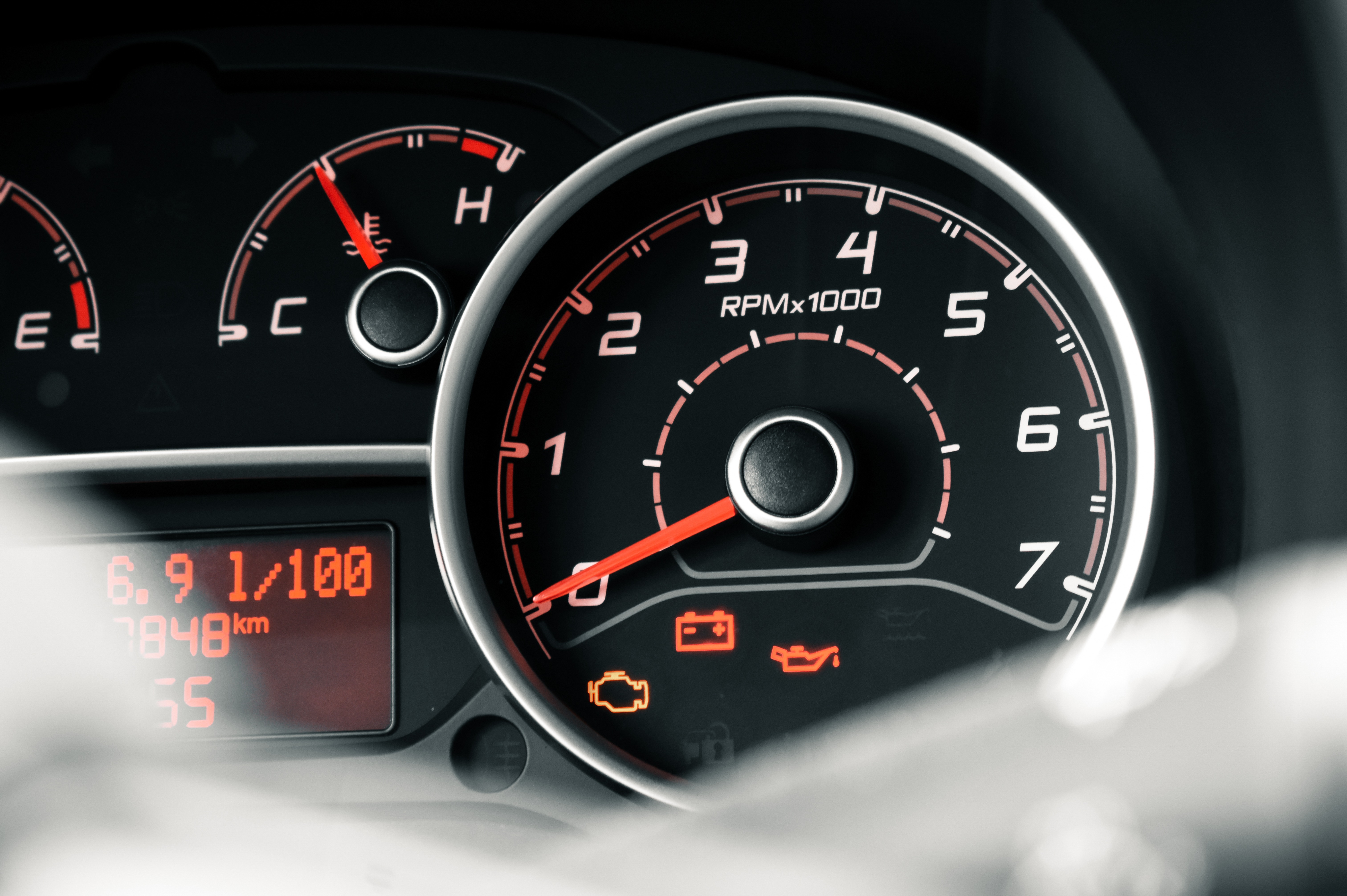
Common Warning Lights You Should Never Ignore
Check Engine Light
This is the most misunderstood light.
What it could mean:
- Loose gas cap
- Emissions issue
- Engine or sensor problem
What to do: If it's steady, schedule a diagnostic soon. If it's flashing, stop driving.
Oil Pressure Light
Low oil pressure can destroy your engine fast.
What to do: Pull over, turn off the engine, and check oil levels. Driving further can cause permanent damage.
Battery Light
This doesn't mean your battery is dead—it usually means your charging system isn't working.
What to do: Get it checked soon. Once the battery drains, your car will shut off.
Temperature Warning Light
Your engine is overheating.
What to do: Pull over immediately. Continuing to drive can lead to blown head gaskets or warped engines.
Brake Warning Light
This could mean:
- Low brake fluid
- Worn brake pads
- Parking brake engaged
What to do: If the light stays on, have brakes inspected before driving further.
Warning Lights That Can Usually Wait (But Not Forever)
Tire Pressure Light (TPMS)
Cold weather often triggers this.
What to do: Check and inflate tires to proper PSI. If it stays on, inspect for leaks.
Maintenance Reminder
This isn't an emergency—just a reminder for routine service like oil changes.
Why Ignoring Warning Lights Gets Expensive
Warning lights are designed to save you money, not cost you more. Small issues turn into big repairs when ignored.
A simple diagnostic today can prevent:
- Engine failure
- Transmission damage
- Unsafe driving conditions
Don't Guess—Get It Checked
If a warning light is on and you're unsure what it means, don't play mechanic roulette.
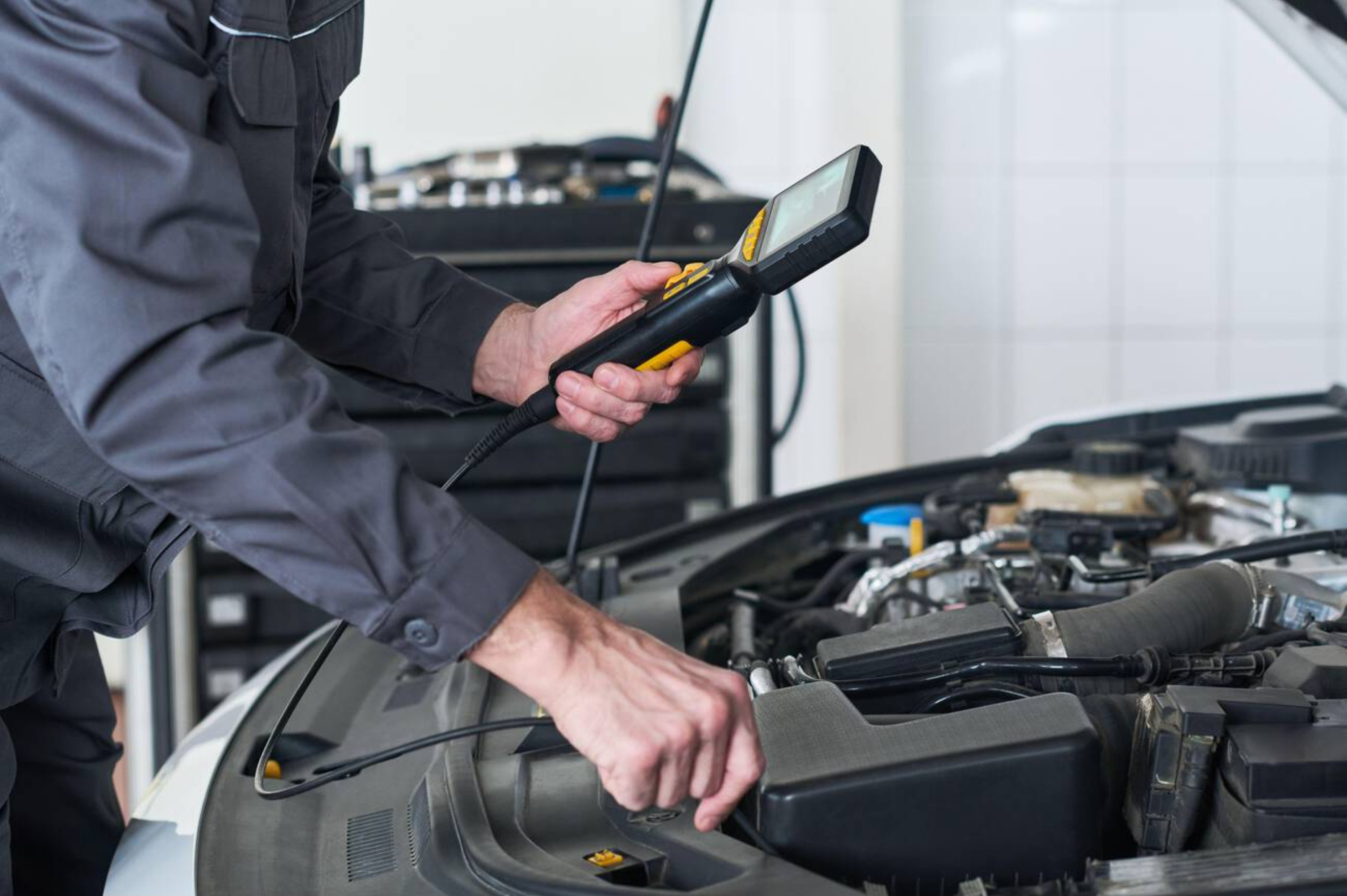
CarSmartPeople.com helps drivers find trusted, affordable auto repair shops that can quickly diagnose warning lights and explain what's actually wrong—without upsells or pressure.
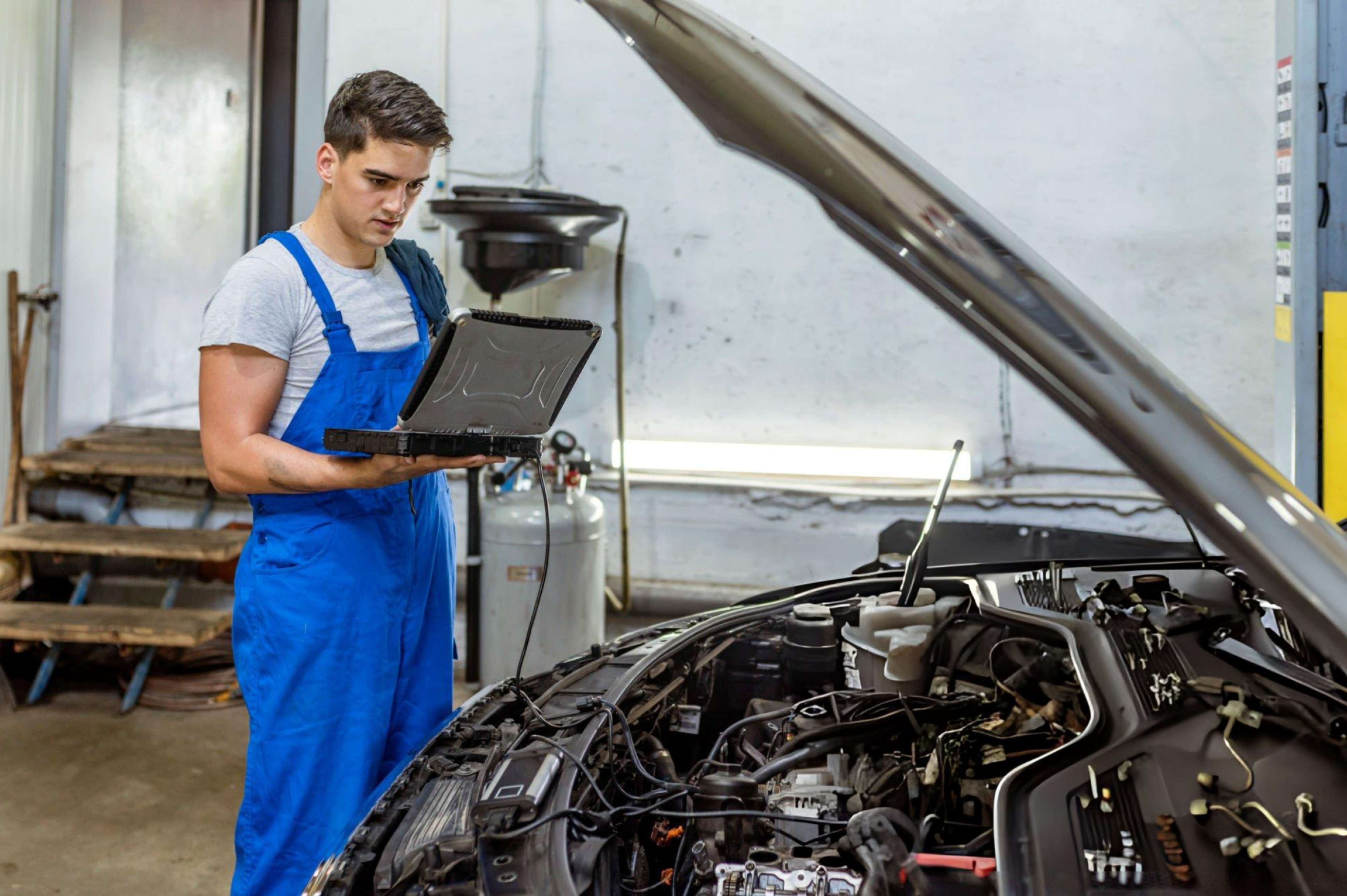
Need a professional to read that light?
Find trusted, affordable auto repair shops on CarSmartPeople that can diagnose warning lights quickly—no upsells, no pressure.
Find Auto Repair Shops Near YouFinal Thought
Your car isn't trying to ruin your day—it's trying to protect itself (and you). Understanding warning lights turns confusion into confidence and helps you stay ahead of costly repairs.
Next time a light comes on, you'll know exactly what to do.